Tuesday, November 10, 2026
Clear, 64°Wind: mph,


Welcome to our new web site!
To give our readers a chance to experience all that our new website has to offer, we have made all content freely avaiable, through October 1, 2018.
During this time, print and digital subscribers will not need to log in to view our stories or e-editions.
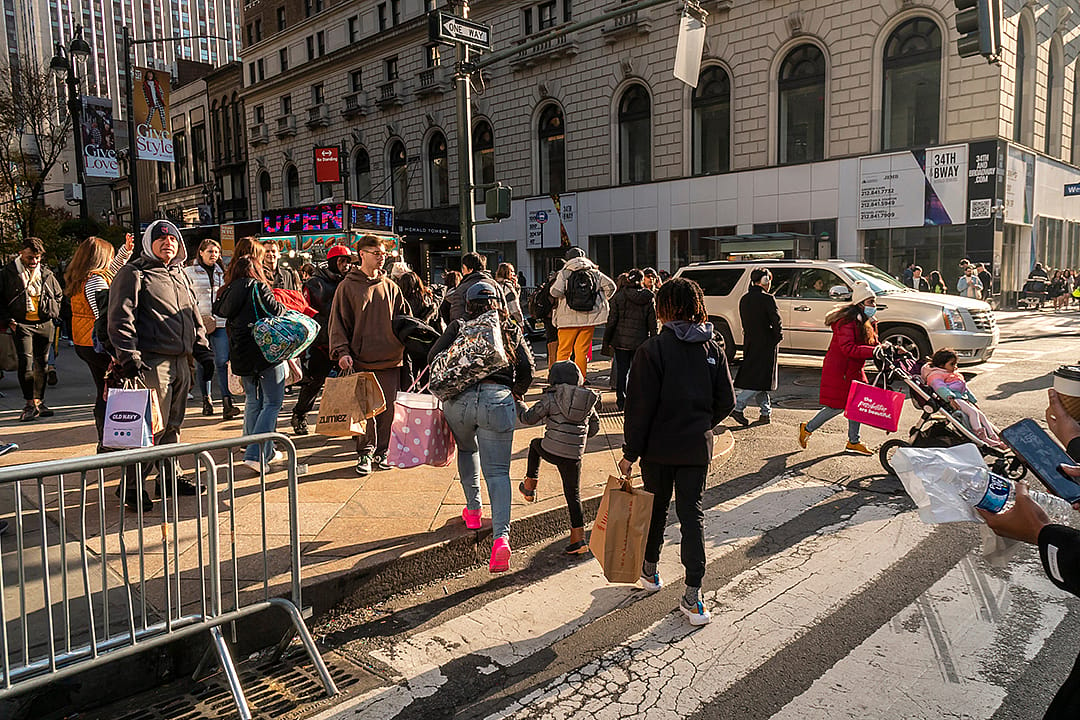

Thanksgiving is a cultural holiday, but it is also a dependable economic event. It shapes grocery bills, fills airports and highways, drives seasonal demand on farms and opens the biggest retail window of the year. Plus500 offers tips for understanding how Thanksgiving spending affects the food, travel, agriculture and retail industries, along with what to expect for the 2026 holiday season.
What a Thanksgiving dinner costs in 2026
Early guidance puts a traditional Thanksgiving dinner for 10 at roughly $80 to $100 in 2026. Shopping sales can bring the total below that range.
How that compares with previous years
The American Farm Bureau Federation's annual survey is the standard benchmark for a classic dinner for 10.

The 2025 survey put the 16-pound frozen turkey at $21.50, or about $5.52 per person for the whole meal. Against that benchmark, the 2026 guidance of $80 to $100 is a different kind of estimate. It describes a more generous spread and is not directly comparable. The Farm Bureau's 2026 survey, normally published in mid-to-late November, will give the like-for-like number.
Why the meal matters economically
The menu barely changes from year to year, so households notice price moves in a way they rarely do elsewhere in the grocery cart. The Thanksgiving dinner works as an informal, widely watched inflation gauge.
Turkey and the supporting cast
According to Wells Fargo, turkey production ramps up in the weeks leading up to the holiday. Farmers and food producers have to meet that demand in a narrow window, with little chance to recover a missed sale.
Cost pressure on producers
Consumer prices only tell half the story. The Farm Bureau's 2025 analysis noted that lower dinner costs came alongside high input costs and weather challenges for farmers. A cheaper table does not necessarily mean a healthier farm economy.
A busy period every year
Thanksgiving is one of the busiest travel periods in the United States. Families use the long weekend to visit each other, which lifts demand for air, bus and rail travel and fills hotels, restaurants and attractions.
The numbers from 2025
AAA projected that 81.8 million people would travel at least 50 miles from home over the 2025 Thanksgiving period (Nov. 25 to Dec.1). That was a record and about 1.6 million more than the year before. Roughly 90% planned to drive, which makes fuel prices and highway spending as relevant to the holiday as airfare.
Black Friday and Cyber Monday
Thanksgiving marks the start of the holiday shopping season, and Black Friday and Cyber Monday are among the biggest sales days of the year for retailers, both in stores and online.
Foot traffic and online spending in 2025
The National Retail Federation reported that a record 202.9 million consumers shopped during the five-day weekend from Thanksgiving Day through Cyber Monday in 2025, up from 197 million the year before.
Online, Adobe Analytics recorded:
Together, these figures show how digital channels and AI-assisted shopping are playing a growing role in holiday spending.
The headline forecast
The Mastercard Economics Institute expects the strongest holiday season in four years, with retail sales (excluding gas and autos) growing 5.5% year over year between Nov. 1 and Dec. 24. Its report, "Holiday 2026: AI assists and last-minute lists," credits resilient consumers, strong household fundamentals and the growing influence of AI on how people shop.
How it compares with prior years
Mastercard's earlier forecasts put the 2026 figure in context.

The 2025 forecast came with warnings that consumers were seeking discounts amid inflation and broader macroeconomic uncertainty. The 2026 forecast is a clear step u
Online versus in-store
Mastercard holiday online sales are expected to grow by around 11% year over year, partly due to AI-driven demand.
Prices are doing part of the work
The same coverage reports that higher prices, driven by elevated energy costs, account for about half of the increase in spending. Part of the headline growth reflects shoppers paying more for the same goods rather than buying more of them. This is the main caveat on an otherwise strong forecast.
A late Thanksgiving and an early Cyber Monday
Thanksgiving falls late again in 2026, which shortens the window before Christmas and may push retailers to start promotions earlier. Cyber Monday lands in November, moving more online sales into that month.
What it means
Thanksgiving works as an early report card on the consumer. The cost of dinner shows how far household budgets are stretching. Travel volumes and seasonal hiring show confidence among families and employers. Black Friday and Cyber Monday then show whether that confidence turns into spending.
The recent record is consistent. Travel hit a record in 2025, shopper turnout hit a record, and online spending hit records on both Black Friday and Cyber Monday. The 2026 forecasts point to even faster growth. The open question is how much of that growth is real volume and how much is higher prices.
Conclusion
Thanksgiving links the household budget to the wider economy. The dinner bill shows what inflation feels like at home. Travel, hospitality and temporary hiring all see increased activity around the holiday break. The weekend then hands over to Black Friday and Cyber Monday, which have set records in recent years.
The 2026 outlook points to the strongest holiday retail growth in four years: 5.5% projected retail growth, with online sales growing fastest. About half of that growth comes from higher prices, so the volume picture is less strong than the headline suggests. Watch three things as the season unfolds:
These will show whether the consumer resilience reflected in the forecasts holds up.
This story was produced by Plus500 and reviewed and distributed by Stacker.


