Tuesday, October 27, 2026
Partly Cloudy, 52°Wind: mph,


Welcome to our new web site!
To give our readers a chance to experience all that our new website has to offer, we have made all content freely avaiable, through October 1, 2018.
During this time, print and digital subscribers will not need to log in to view our stories or e-editions.
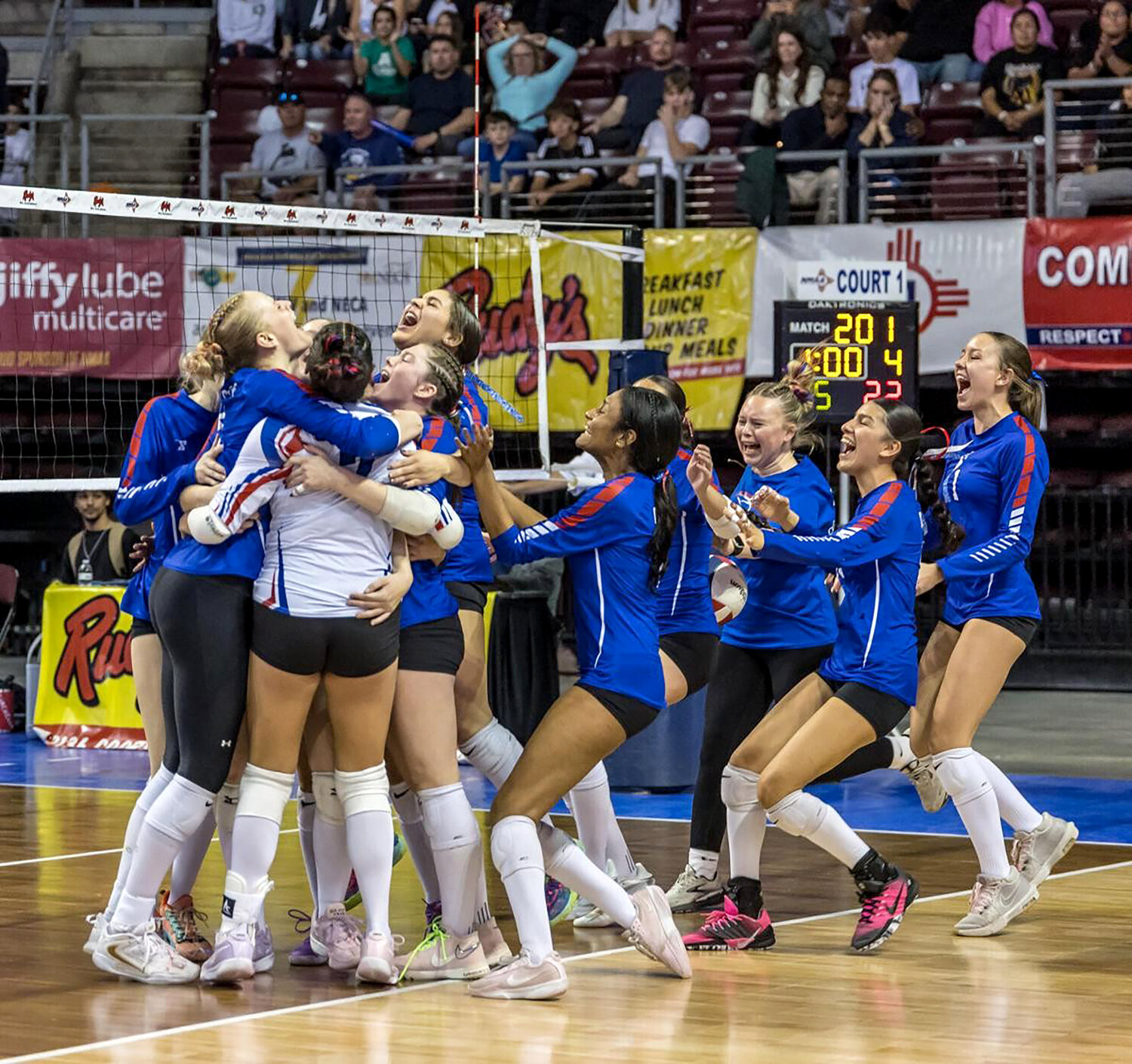
When the New Mexico Activities Association voted to loosen transfer rules for student-athletes, Las Cruces Public Schools already had its answer.
For months, district officials had been preparing for the possibility that New Mexico's governing body for high school athletics would allow students to transfer schools and immediately become eligible to compete. While the proposal gained support at the state level, LCPS leaders concluded it was not in the best interest of the district's athletic programs.
"We have been discussing and preparing for this possibility since we first learned of it in January," said Michelle Ronga, executive director of athletics for LCPS.
The NMAA Board of Directors approved changes to Section 6 of its handbook that would allow students to transfer schools without penalty and be immediately eligible at their new school on a first transfer, subject to several exceptions. The proposal must still be approved by member schools through a statewide referendum vote.
If ultimately adopted, however, the rule will not change how transfers are handled among Las Cruces Public Schools' four comprehensive high schools.
According to Ronga, district administrators met with Superintendent Ignacio Ruiz in January and later with high school principals and athletic coordinators to discuss the potential impact. The consensus, she said, was that the policy could undermine efforts to maintain balance among the district's high schools.
"As you may recall, LCPS went through a redistricting process last school year to work on balancing numbers at our four comprehensive high schools, and a rule like this could quickly undo that work," Ronga said. "Our top priorities as a district remain protecting the equity of our programs and maintaining academic-based athletics."
The district also surveyed its coaches. While 35 percent supported the proposed change, 65 percent opposed it.
The issue has become increasingly common across the country as athletic associations grapple with student mobility, school choice and transfer policies. Supporters of relaxed transfer rules argue families should have greater freedom to choose the educational environment that best fits their needs without sacrificing athletic eligibility. Critics contend such policies can encourage athlete movement based on competitive opportunities and create imbalances between schools.
The NMAA's approved changes would permit immediate eligibility on a student's first transfer while maintaining restrictions on subsequent transfers. Students making a second or later transfer would generally face a 365-day varsity ineligibility period unless they qualify under specific exceptions, including a bona fide family residency change, state custody placement, military deployment or the discontinuation of a sports program.
Several categories of students would also remain excluded from the free-transfer provision, including certain foreign students, students leaving specialized sports academies and situations involving recruitment or undue influence.
Anticipating the likelihood that the proposal will ultimately pass, the LCPS Board of Education voted Tuesday to amend district Policy JFB contingent upon the outcome of the NMAA process.
"If this is finalized at the NMAA level, which is very likely, LCPS will implement the new Policy JFB," Ronga said. "We will not be implementing this new eligibility rule. We will continue to follow the current eligibility and transfer rules at our local level."
The decision sets up a contrast between a statewide movement toward greater transfer flexibility and a district focused on preserving competitive balance among its schools. For LCPS, officials say the question is less about athletic freedom and more about protecting the structure they have spent years building.


