Tuesday, October 27, 2026
Partly Cloudy, 53°Wind: mph,


Welcome to our new web site!
To give our readers a chance to experience all that our new website has to offer, we have made all content freely avaiable, through October 1, 2018.
During this time, print and digital subscribers will not need to log in to view our stories or e-editions.

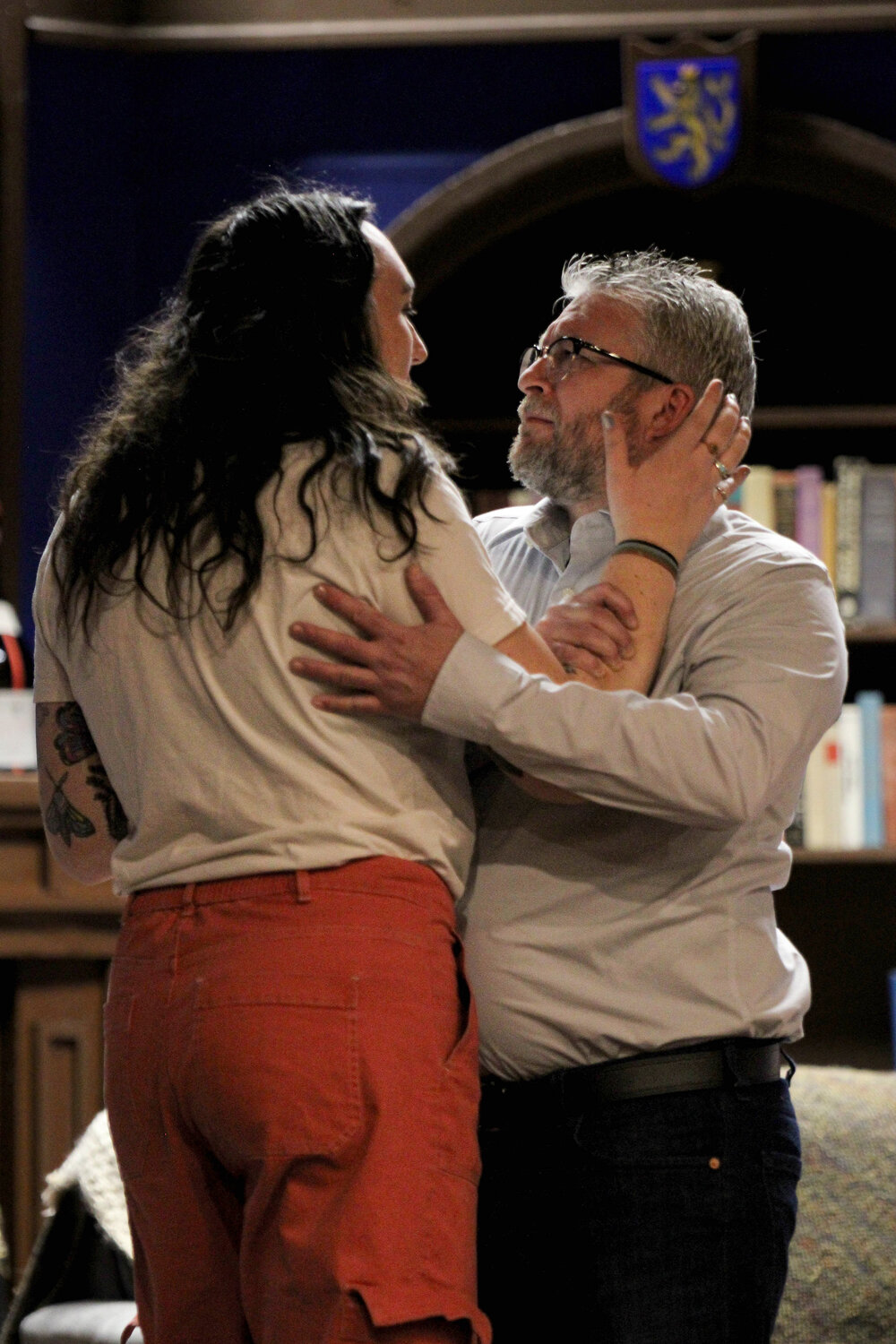




In Lucille Fletcher’s psychological thriller “Night Watch,” suspense creeps in quietly, the way doubt does, softly at first, then all at once. First produced in 1972, the play unfolds almost entirely inside an elegant New York house, where the greatest danger is not an intruder in the night but the mind’s fragile grip on reality.
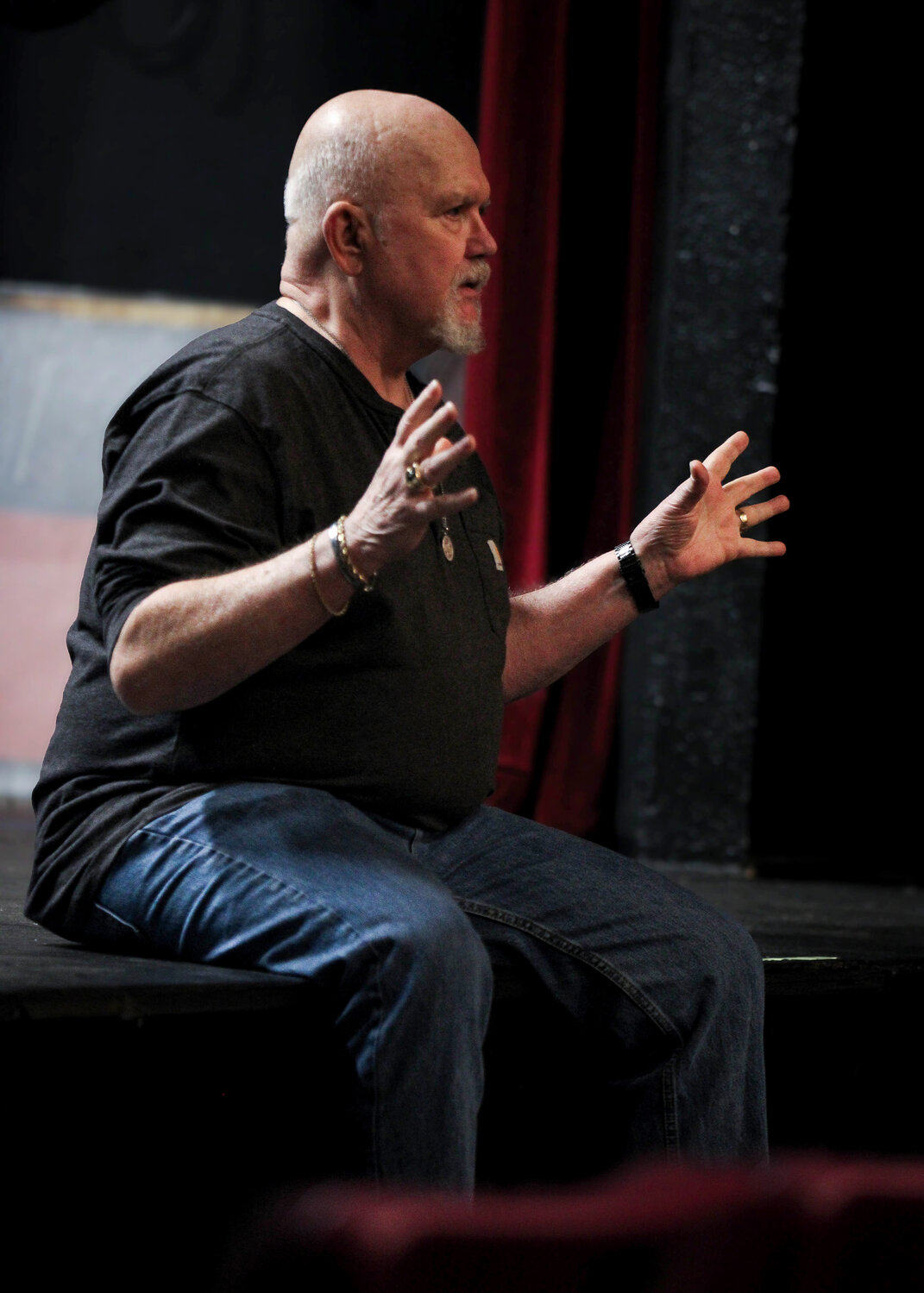
“Night Watch” is the latest production coming to the Las Cruces Community Theatre stage, brought at the recommendation of director Harry Huff. Huff first got into theatre because of the creativity of the people who get up on stage and those who work behind the scenes. He found that in abundance when he moved to Las Cruces.
“I was amazed in coming to Las Cruces that the population being what it is, that so far, I've been able to find like five operational, functional excellent theatres in this town,” Huff said. “That’s more than San Antonio had with their population. This is fantastic. The art in this town is just amazing, and it doesn't matter what art you're talking about, whether it's painting, pottery, theatrical music, whatever. It's amazing and absolutely wonderful.”
Huff really enjoys the creativity of the people that you meet in the theatre.
“It’s so eclectic because everybody has a different background that they're coming from and when you get on stage all of that doesn't matter because you have a common goal that you're working toward and it's always fantastic when you have a show that allows you to engross the audience in it where it's entertainment but it's also thought provoking,” he said.
Huff directed “Night Watch” at a dinner theatre in San Antonio. He was moved by the way the audience received the performance, trying to figure out the “who dunit?”
“When intermission came everybody went to the bar, got their drink and discussed the show,” he said. “When we finished the show, the whole cast would go out into the audience and pick up the napkins where they'd been writing down which character they thought was the one. You could see the names written and then crossed out because, ‘that's not it, that's not it,’ so it was really fulfilling in that aspect.”
The story centers on Elaine Wheeler, a well-to-do woman who has insomnia. She has some interaction with her husband, John, who is aggravated that she’s up at 5 a.m. smoking. Her husband goes to go get something to eat and she looks out the window and into the darkness across the street, where she believes she witnesses a murder in the neighboring house.
Shaken, Elaine and John contact the police, who arrive and then find that the evidence does not cooperate. The question arises as to whether Elaine truly saw a crime, or if there is something else at work.
As the night stretches on, the play layers tension through conversation rather than action. Elaine’s fear intensifies as her claims are dismissed, and her isolation deepens. The audience is invited to weigh what they see against what they are told. Small inconsistencies emerge. Elaine has a history of emotional instability.
“There are nuances that will tell you something about the characters, but the end result is almost every character on that stage has the finger pointed at them in some form or fashion,” Huff said. “There are still some laughs with some of the individuals. There's a delicatessen man that comes in and the running joke is he makes the worst potatoes in New York City. A lot of it is relationships and what variables come into play in a relationship and how it impacts everybody. Ultimately, it's a murder mystery.”
The show runs for about two hours, but Huff says you won’t be bored with the way things go.
“There's a lot of things that happen, a lot of interaction between the characters,” Huff said. “There's Johnny and Elaine, the main two characters. Blanche is a nurse that's been with Elaine since her first husband died. Helga is the German housekeeper. There's Mr. Appleby that lives next door. He's a strange individual, but he enjoys life and he likes to be involved. So, he gets involved, whether you want him to be or not. Then there's Dr. Lake, who's a psychiatrist that John calls for Elaine to try to help her through some of the trauma that she's been experiencing, a couple of cops that come in that are assigned to look at what she sees in the building next door. It's an interesting woven story and there are lots of surprises that come to it.”
As the show develops, there is a slow tightening of the psychological vise. Elaine begins to suspect that the danger is closer than she thought. The house itself, once a refuge, becomes threatening. Doors, lights, and telephones, mundane objects, take on ominous significance. The dialogue keeps the action intimate, allowing dread to grow in the silences between words.
Midway through the play, the narrative pivots. Details from Elaine’s past cast her present fear in a new light. It turns out that Elaine’s terror may not be about witnessing violence but remembering it.
“Night Watch” leaves the audience confronting the possibility that the mind can be both victim and perpetrator, protector and threat. The production is a domestic drama that turned into psychological investigation.
“As a director, when the reveal comes, there has been, and I'm hoping there is this time, an audible response from the audience,” Huff said. “The mystery part of this really plays into what I'm going to feel as I'm watching.”
Huff feels this is a good opportunity for Las Cruces to experience something a little bit different from its Community Theatre.
“I think that this is somewhat of a change from what they've been doing,” he said. “It's an interesting show. It's well-written, and I can't say enough good stuff about the cast that I've got. It's really a fun show.”


