Tuesday, October 27, 2026
Partly Cloudy, 53°Wind: mph,


Welcome to our new web site!
To give our readers a chance to experience all that our new website has to offer, we have made all content freely avaiable, through October 1, 2018.
During this time, print and digital subscribers will not need to log in to view our stories or e-editions.

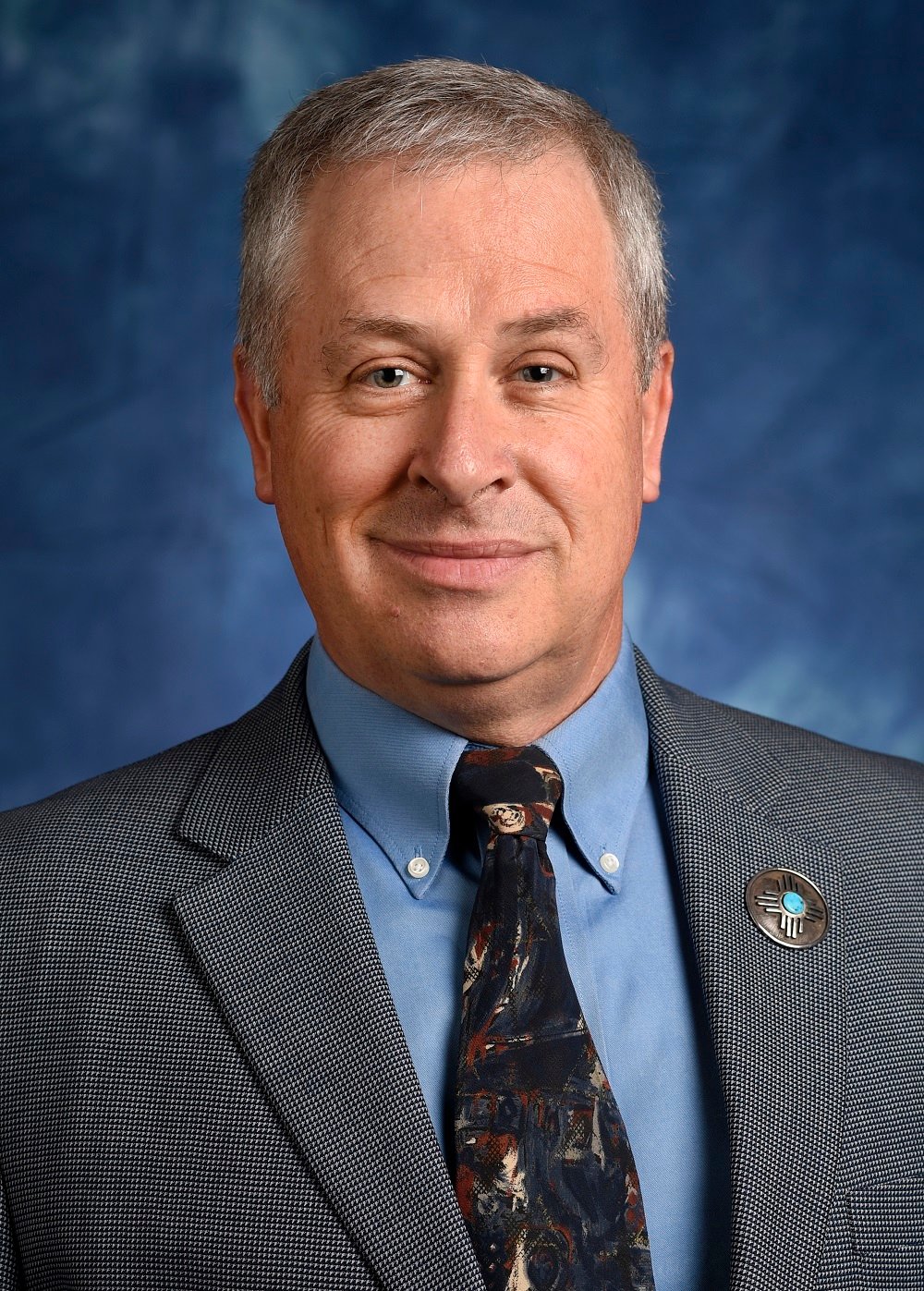 A unique feature of New Mexico government is that the state department of agriculture is housed at New Mexico State University, a land grant institution home to research and education in agricultural science and business development. Jeff Witte, New Mexico’s Agriculture secretary since 2011, is headquartered not in Santa Fe or Albuquerque, like other state officials, but in Las Cruces on NMSU’s campus. But as he points out, the work under his supervision touches every resident, not only through the extension offices, programs and staff situated in every county, but right on the dinner plate.
Witte spoke with the Las Cruces Bulletin about preparations for the 2025 legislative session.
Q. How extensive is your prep for this 60-day session opening Jan. 21?
JW. You start preparing for a session the moment the last session ends. You start thinking about initiatives you might want to bring forward. You think about your budget preparations. You think about all the things that might happen that you know are unexpected. It’s an ongoing process, and you’re working with legislators.
The challenging thing, I think, this year is that in any election year you’re doing all the preparation work, and you really don’t know who’s going to be there through the election process until the final votes are tallied. Now that you’ve got that, it gives you the opportunity to look at who can champion what pieces of legislation and go on from there.
Q. Could you summarize how much the legislature will affect your department and agriculture in New Mexico?
JW. Agriculture touches every community. It touches every citizen every day. I like to remind (lawmakers) that every decision they make either puts food on the plate, or takes food off of the plate. In New Mexico and across the nation, in fact, across the world, you've got a, 20 to 30 percent food insecurity rate. So we really need to be paying attention to the policies that impact food production every day. And that's all agriculture is: In a nutshell, agriculture is food production. And so there's a lot of research that goes into that, a lot of education processes. You know, only 1 1/2 to 2 percent of the folks across the the United States are directly involved in production of food, and so it's really it takes quite a lot of energy and time to make sure that others understand that the decisions they make have that impact on what they like to do at least three times a day – which is eat.
Q. Is the number of people working in agriculture in New Mexico diminishing?
JW. New Mexico has been kind of steady over the last 10 to 15 years. The last ag census that came out in 2022 showed a slight decline in the number of people in production agriculture: We went from 24,000 to 20,000. Percentage wise, it's a big decrease. Also, you've got some land that was taken out of agricultural production primarily because of that drop. And we had some programs so that people were able to rest their land or maybe move their water to other higher value crops. And so you lost some land production. But overall, across the United States, New Mexico has been in a little better shape than most states as far as stability of agriculture.
Q. How much will water supply, distribution and related systems be in focus this session?
JW. Water is always a critical issue. New Mexico is a dry state. Our agricultural producers are some of the best in the world because they can take that limited resource and produce food that we all enjoy. But the pressures continue to mount. The governor came out with her 50 year water plan. It recognizes some research that shows that potentially, there's going to be 25 percent less water available for all of us, not just agriculture. The governor has proposed a $10 million fund to help farmers and ranchers address water conservation opportunities while still remaining in production. And so our department, if that appropriation comes through, will be administering that fund. The bottom line is making sure our producers have the capacity to grow food that we need with a more limited resource. We're not taking away water rights. We're not taking away any of that.
We're a statewide entity. I've got staff all across the state. We touch every consumer, every individual in the state, every day with the stuff that we do, and we always were very mindful of that in every session, we look to build on that capacity and modernize and keep things current best we can.
For more legislative advance coverage, look for the Las Cruces Bulletin’s 2025 Southwest New Mexico Legislative Guide, which will be available in time for the Jan. 21 session start.


