Tuesday, October 27, 2026
Partly Cloudy, 53°Wind: mph,


Welcome to our new web site!
To give our readers a chance to experience all that our new website has to offer, we have made all content freely avaiable, through October 1, 2018.
During this time, print and digital subscribers will not need to log in to view our stories or e-editions.
A man was riding his motorcycle on his morning commute when a car suddenly changed lanes and collided into him, throwing him off his bike. He was taken to a nearby hospital, where paramedics moved him to a gurney in the trauma bay of the emergency department.
The team moved quickly to stabilize his injuries. X-rays showed rib fractures, a dislocated hip and the head of the femur (the ball of the hip socket) was broken. An orthopedic trauma surgeon quickly reduced the hip dislocation, and the patient was rushed to a CT scanner to search for more threats to life and limb.
Other injuries identified included a bruised lung and a shinbone fracture at the knee joint. The patient was taken to the intensive care unit and later underwent complex orthopedic surgeries to repair his fractured and dislocated hip. He was on his way to recovery.
When trauma happens, the best chance of surviving serious injuries depends on how quickly a patient can get to a trauma center with the resources to stabilize and treat potentially life-threatening injuries.
We all hope we never end up in this kind of situation but knowing there is a nearby trauma center with specialists that are experienced in taking care of such serious injuries can provide peace of mind. MountainView Regional Medical Center is the only Level III trauma center in Doña Ana County, treating even the most serious issues.
Orthopedic surgeons are a vital part of the trauma team. Around half of all trauma cases have concomitant musculoskeletal injuries (two or more separate injuries to bones, joints, muscles, tendons, ligaments, or nerves that occur at the same time) that require the expertise of an orthopedic surgeon. In fact, one trauma center reported that 80 percent of surgeries on their trauma patients were performed by an orthopedist.
Most commonly these surgeries are to repair broken bones. After the emergency treatment to save life and limb, the functional outcome after trauma depends in part on an orthopedic surgeon’s ability to piece those broken bones back together. Orthopedic surgeons who are specialty trained in trauma have the expertise to take care of these types of fractures, including the most devastating, complex, and dangerous of these injuries. This is why I completed training in orthopedic trauma surgery — so I could provide these specialized services in our area.
The Orthopedic Trauma Association has 70 accredited fellowship programs that train only 108 orthopedic trauma surgeons per year in the United States. The fellows at these programs take an extra year beyond their five years of general orthopedic training at some of the busiest trauma centers in the country. These surgeons spend the year with experienced orthopedic trauma specialists focused on managing the most complex orthopedic trauma injuries.
Residents rely on their communities to have trauma centers with highly trained surgeons to help put the pieces back together on what could be their worst day. Fortunately, Las Cruces has this service available.
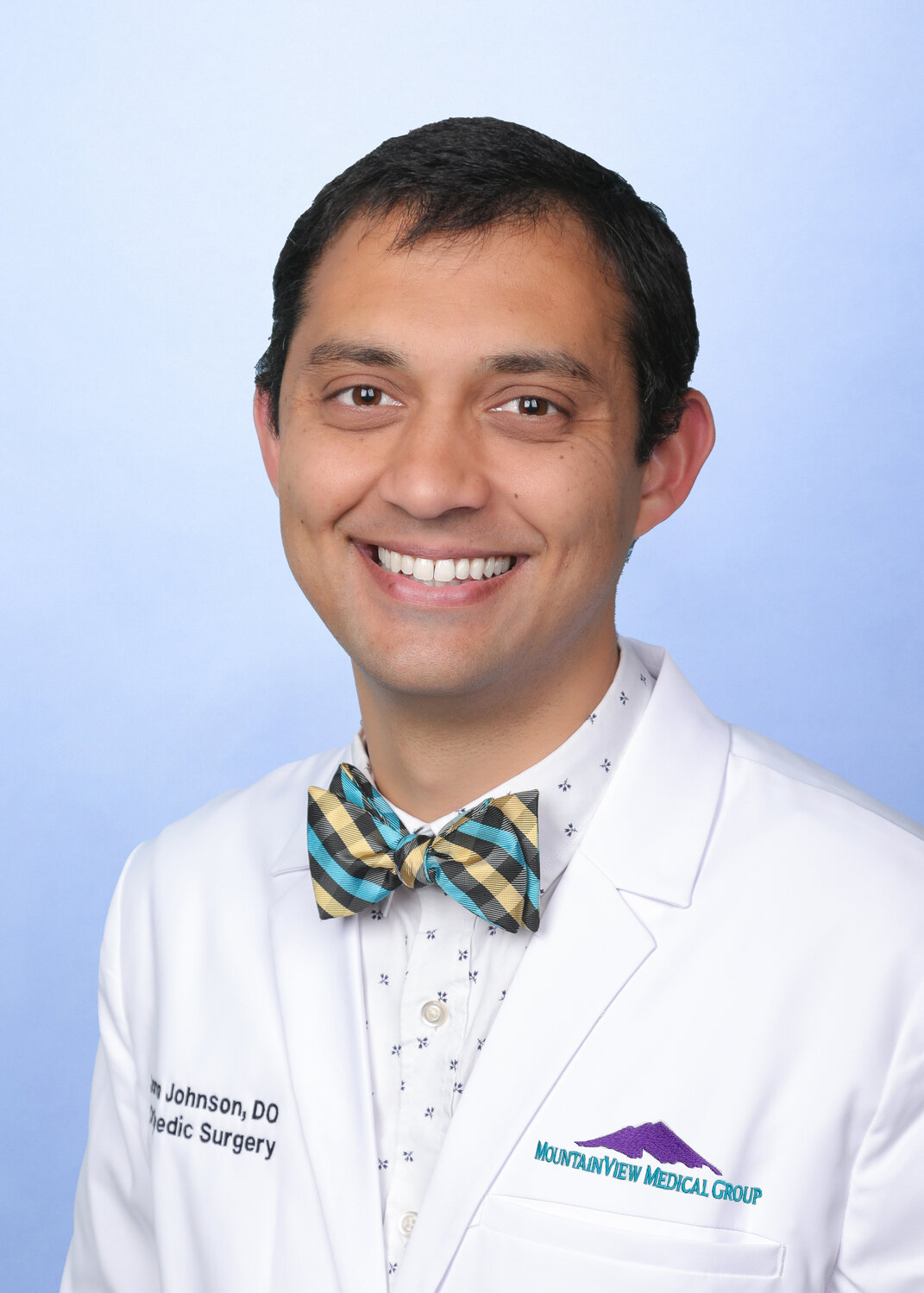
Jordan Johnson, D.O., is a fellowship-trained orthopedic surgeon who specializes in orthopedic trauma surgery at MountainView Medical Group - Orthopedics and Musculoskeletal Care


